


QANUIPPIT, TAANISHI KIIYA, DANIT’ADA, comment allez-vous, HOW ARE YOU?
You are welcome here.

society changes. laws evolve in response.
LTL was created to help clients navigate this dynamic landscape, to assert and protect rights, to identify opportunities for their communities flourish, and to protect what they love.
A bit about the founder
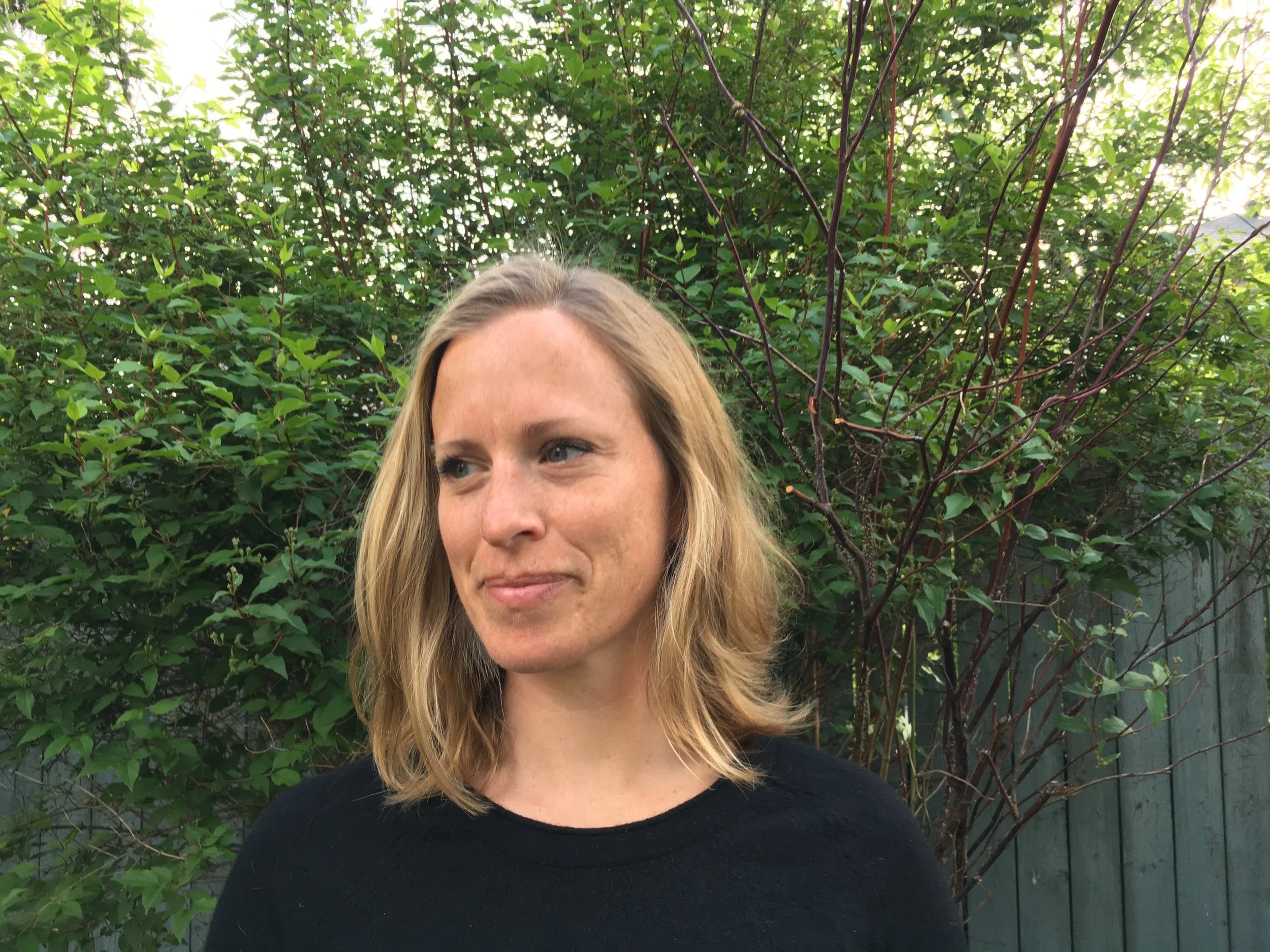
My name is Kate Darling, and I am delighted to welcome you to Living Tree Law. Over the last fifteen years, I have assisted clients advance their rights through a range of legal fields. This has included Indigenous, human rights, environmental and regulatory, corporate and commercial law, governance and elections, legal research and writing. I am proud to have worked as General Counsel to successful Indigenous corporations, to have supported elected leaders, corporate boards and circumpolar assemblies, and, to have contributed as a board member to a variety of hardworking organizations.
I am fortunate to have lived, studied and worked across Canada in British Columbia, Alberta, Northwest Territories, Nunavut, Ontario and Nova Scotia as well as in Benin, West Africa and Melbourne, Australia. I have worked in government, the private sector, the not-for-profit sector and academia for a range of inspiring individuals and corporations.
I hold a B.A. from the University of British Columbia, an LL.B. from Dalhousie University, and an LL.M from the University of Melbourne. Most importantly, I am the boss lady of a very active family that, when not fighting the good fight at school and work, can be found high in the mountains or in the surf with boards under our feet.
Memberships & Awards
Law Society of Northwest Territories
Law Society of Nunavut
Law Society of Alberta
Law Society of Ontario
Nova Scotia Barristers Society
Arctic Institute of North America Board of Directors
World Wildlife Fund Board of Directors
2019 Recipient of Canada’s Top 40 Under 40
The B.N.A. Act planted in Canada a living tree capable of growth and expansion within its natural limits. The object of the Act was to grant a Constitution to Canada.
Like all written constitutions it has been subject to development through usage and convention: (Canadian Constitutional Studies, Sir Robert Borden, 1922, p. 55).
Their Lordships do not conceive it to be the duty of this Board—it is certainly not their desire—to cut down the provisions of the Act by a narrow and technical construction, but rather to give it a large and liberal interpretation so that the Dominion to a great extent, but within certain fixed limits, may be mistress in her own house, as the provinces to a great extent, but within certain fixed limits, are mistresses in theirs.
Edwards v. Canada (Attorney General), [1930] 1 DLR 98, p. 107.